
An NDIS cleaner may be able to help with disability-related household cleaning tasks, including situations where clutter, poor hygiene, or unsafe living conditions are affecting a person’s ability to manage daily life. However, NDIS cleaning support is generally not the same as professional hoarding treatment, therapy, or full property decluttering services. The type of support available depends on the person’s disability-related needs, their NDIS plan, and whether the assistance meets the reasonable and necessary criteria.
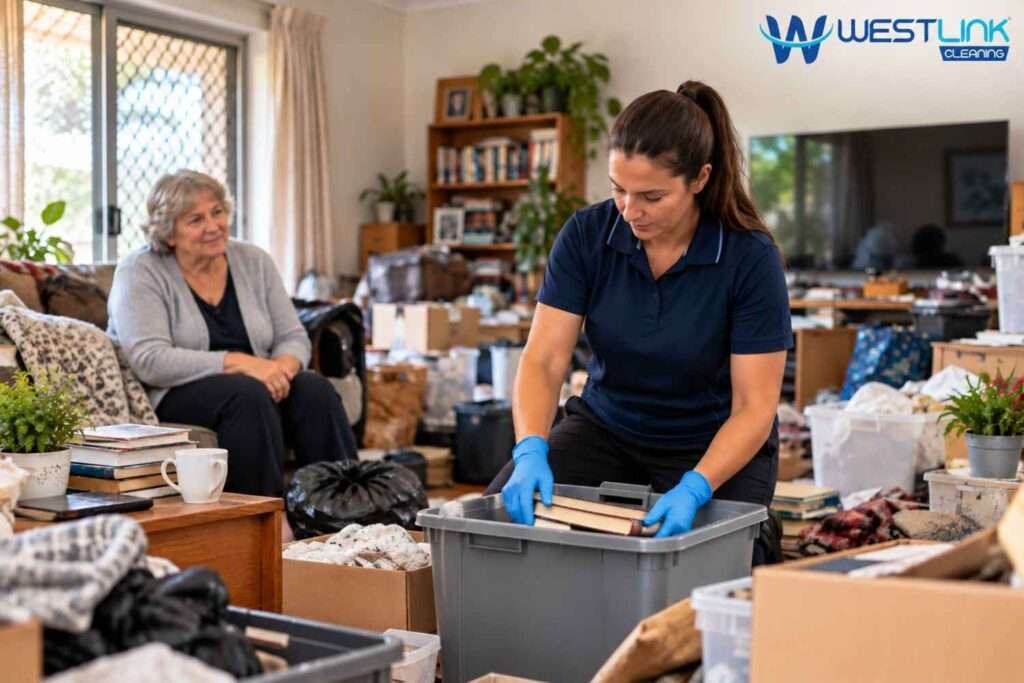
For some NDIS participants, heavy clutter can develop due to mobility limitations, chronic health conditions, cognitive difficulties, sensory challenges, or a reduced ability to complete household tasks independently. In these situations, cleaning assistance may help restore a safer and more manageable home environment.
However, when the main issue involves difficulty letting go of possessions, emotional attachment to items, or behaviours linked to hoarding disorder, cleaning alone may not address the underlying problem. Specialist support from professionals such as occupational therapists, psychologists, or other qualified providers may be required alongside practical cleaning assistance.
Understanding the difference between cleaning support, decluttering assistance, and hoarding intervention can help participants, families, and support coordinators choose the right type of help.
What Does an NDIS Cleaner Usually Help With?

An NDIS cleaner helps participants with disability-related household cleaning tasks that support a safe, hygienic, and manageable home environment. The focus is on maintaining the living space and assisting with daily tasks that may be difficult to complete independently due to a person’s disability.
Professional NDIS cleaning services can support participants with everyday household tasks while focusing on their individual needs, safety, and independence.
Common support may include:
- Vacuuming and mopping floors
- Cleaning bathrooms and kitchens
- Wiping surfaces
- Removing household rubbish
- Assisting with basic household hygiene tasks
For example, a person with limited mobility may need help cleaning areas that are difficult or unsafe to reach. However, an NDIS cleaner does not provide hoarding treatment, counselling, or decide which personal belongings should be removed.
Cleaning Is Different From Decluttering and Hoarding Support

One of the biggest areas of confusion is that the words cleaning, decluttering, and hoarding support are often used interchangeably. They describe different types of assistance.
Cleaning
Cleaning focuses on removing dirt, dust, stains, and hygiene issues.
Examples include:
- Washing bathroom surfaces
- Removing food residue
- Vacuuming carpets
- Cleaning floors
- Sanitising kitchens
- Maintaining general household cleanliness
The purpose of cleaning is to make the environment healthier and safer.
Decluttering
Decluttering focuses on reducing unnecessary items and improving organisation.
Examples include:
- Sorting belongings
- Creating clearer pathways
- Organising storage areas
- Removing unwanted items
- Improving access around the home
Decluttering can sometimes overlap with cleaning, but it often involves decision-making about possessions.
For some people, this process is simple. For others, especially where emotional attachment or anxiety is involved, it can become much more complex.
Hoarding Support
Hoarding involves more than having a messy home.
Hoarding disorder is recognised as a mental health condition where a person experiences persistent difficulty discarding possessions because of strong emotional attachment, perceived need, or distress associated with removal.
A person experiencing hoarding may:
- Feel extreme stress when asked to remove items
- Have difficulty identifying what should be kept or discarded
- Experience conflict with family members about clutter
- Have reduced use of rooms or living spaces
- Face safety concerns such as blocked exits or fall hazards
Because hoarding involves behavioural and emotional factors, cleaning alone may not solve the problem.
A cleaner can support the physical environment, but they generally do not replace specialised hoarding intervention.
Can NDIS Funding Cover Hoarding or Heavy Decluttering?
NDIS funding for cleaning or decluttering support depends on whether the assistance is related to a participant’s disability needs and helps improve their safety, independence, or ability to manage daily living.
NDIS supports are assessed using the reasonable and necessary criteria. A person may need household assistance if their disability makes it difficult to:
- Maintain hygiene
- Complete cleaning tasks safely
- Manage household routines
- Access essential areas of the home
For example, someone with limited mobility may need help cleaning bathrooms, removing rubbish, or maintaining floors because bending, lifting, or standing is difficult.
However, NDIS cleaning support does not automatically cover removing large amounts of belongings or treating hoarding-related challenges. These situations may require additional assessment or specialist support.
When Heavy Clutter May Require More Than Cleaning Support
Heavy clutter can develop for different reasons, including disability, injury, illness, cognitive challenges, or mental health difficulties. In these situations, cleaning support may help improve the home environment, but it may not address every underlying challenge.
Some people may benefit from additional support, such as:
- Cleaning support: to maintain hygiene and improve daily living conditions.
- Occupational therapy support: to improve safety, accessibility, and household routines.
- Psychological support: to address emotional challenges related to possessions or anxiety.
- Support coordination: to help connect participants with suitable services.
When Can a Cleaner Support Someone Experiencing Severe Clutter?

Severe clutter can sometimes develop because disability-related challenges make normal household tasks difficult, unsafe, or overwhelming. An NDIS cleaner may help when the main issue is maintaining a safe and hygienic home due to physical, cognitive, or health-related limitations.
Mobility Limitations
People with limited mobility may struggle with tasks that require bending, reaching, lifting, or standing for long periods. Cleaning support can help maintain important areas such as bathrooms, kitchens, and walkways while reducing risks like falls or unsafe access.
Cognitive Challenges
Some people may experience difficulty with planning, organising, remembering tasks, or maintaining household routines. A cleaner can provide practical support with cleaning tasks, while other professionals may assist with broader challenges related to routines, decision-making, or independence.
Physical Health Conditions
Long-term health conditions, pain, fatigue, or reduced physical ability can make regular cleaning difficult to manage. Cleaning assistance can help maintain hygiene standards and allow participants to focus their energy on other daily activities.
Unsafe Living Conditions
Heavy clutter can create risks such as blocked pathways, limited access to essential rooms, or increased fall hazards. Before starting work, cleaners should identify potential risks and follow safe practices when managing cluttered environments. Guidance from Safe Work Australia highlights the importance of recognising and managing workplace health and safety risks.
What Cleaning Tasks May Be Included?
The cleaning tasks provided under NDIS support depend on the participant’s needs and agreed service scope. An NDIS cleaner may assist with everyday household tasks that help maintain a safe and hygienic home.
Maintaining Hygiene Areas
Support may include cleaning bathrooms, kitchens, sinks, and commonly used surfaces to help maintain healthy living conditions.
Floor and Surface Cleaning
This may include vacuuming, mopping, removing dust, and keeping important walking areas clean and accessible, especially for people with mobility challenges.
Removing Household Waste
A cleaner may assist with managing regular household rubbish and keeping living areas cleaner. However, removing large amounts of stored belongings may require specialised support.
Laundry and Basic Household Tasks
Depending on the service arrangement, support may include tasks such as changing bedding, washing clothes, or folding laundry to help participants manage daily routines.
What Tasks May Require Other Professionals?

Understanding service boundaries protects both the participant and the support provider.
Some situations require specialised assistance beyond standard cleaning.
Hoarding Disorder Treatment
A cleaner can help improve the physical environment, but they do not provide treatment for hoarding disorder.
Hoarding-related challenges may involve:
- Strong emotional attachment to possessions
- Fear or anxiety about discarding items
- Difficulty making decisions about belongings
- Behaviour patterns that maintain excessive clutter
These situations may require support from qualified mental health professionals.
Occupational Therapy Support
An occupational therapist may help when clutter affects:
- Home safety
- Mobility
- Daily routines
- Independence
- Ability to use living spaces
For example, an occupational therapist may assess whether furniture placement, storage systems, or household changes can make the home easier and safer to use.
Major Property Clean-Up or Remediation
Some homes may require specialised services involving:
- Large-scale rubbish removal
- Pest contamination cleaning
- Biohazard cleaning
- Mould remediation
- Unsafe property restoration
These services usually require different equipment, training, and safety procedures than normal household cleaning.
How NDIS Cleaners Should Approach Sensitive Homes
Cleaning a heavily cluttered home requires more than physical cleaning skills. A respectful approach helps create a safe environment while protecting the participant’s dignity, comfort, and independence.
Respect and Dignity
Some people may feel embarrassed, anxious, or worried about being judged because of their home’s condition. A professional cleaner should listen first, understand the participant’s priorities, avoid criticism, and respect personal belongings.
Person-Centred Support
The participant should remain involved in decisions about their home. This includes discussing priority areas, setting realistic goals, explaining what support can be provided, and addressing any safety concerns. The aim is not simply to remove clutter or change the appearance of the home. The goal is to create a cleaner, safer, and more functional living environment that supports the person’s daily life.
Safety Planning
Before cleaning begins, cleaners should consider important factors such as safe access routes, trip hazards, pets, fragile belongings, and any personal preferences. In some cases, a gradual approach may be more suitable than attempting to complete everything in one visit. Professional providers such as Westlink Cleaning Services focus on respectful communication, clear expectations, and person-centred cleaning support to help participants feel comfortable throughout the process.
Preparing for Your First NDIS Cleaning Visit
The first NDIS cleaning visit is usually focused on understanding your needs, priorities, and expectations. Clear communication helps create a cleaning plan that supports your daily life.
Discuss Your Main Concerns
Explain the areas where you need support, such as difficulty maintaining bathrooms, kitchens, or safe walking spaces due to disability-related challenges.
Identify Priority Areas
Start with areas that have the biggest impact on your health, safety, and independence. For example, cleaning a bathroom or creating clear pathways may be more important than organising storage areas.
Discuss Personal Belongings
If clutter is involved, let the cleaner know which items are important and what areas can be worked on first. Cleaners should not remove personal belongings without agreement, so setting clear expectations helps protect your choices and comfort.
Conclusion
An NDIS cleaner can help some participants manage household cleaning tasks when disability affects their ability to maintain a safe and healthy home environment. However, cleaning support is different from hoarding treatment or professional decluttering. A cleaner can assist with hygiene, household maintenance, and creating safer spaces, but complex hoarding situations may require support from occupational therapists, psychologists, or other specialists. The best approach focuses on the person’s goals, independence, safety, and dignity. Understanding what type of help is needed makes it easier to find the right support and avoid unrealistic expectations.
Frequently Asked Questions
Can NDIS pay for someone to clean a very messy house?
NDIS may fund cleaning assistance when the need is connected to a participant’s disability-related functional limitations. A very messy home alone does not automatically qualify.
Does NDIS cover decluttering services?
NDIS funding depends on the individual situation. Some practical assistance related to disability needs may be considered, but general decluttering for lifestyle reasons may not be covered. The purpose of the support and its connection to disability are important factors.
Is hoarding considered a disability?
Hoarding disorder is recognised as a mental health condition, but whether it is considered a disability-related support need depends on how it affects a person’s daily functioning and individual circumstances.
Can an NDIS cleaner throw away my belongings?
Generally, cleaners should not remove personal belongings without permission. Decisions about possessions should involve the participant and follow an agreed plan.
What happens during the first NDIS cleaning visit?
The first visit usually involves discussing priorities, understanding the home environment, identifying safety concerns, and agreeing on realistic cleaning goals.
Can NDIS cleaners help with unsafe homes?
They may help improve household safety through cleaning and maintenance tasks, but some unsafe environments require additional services such as occupational therapy, specialist cleaning, or other professional support.
Can family members request cleaning support?
Families can discuss concerns and help participants access information, but support decisions are generally based on the participant’s needs, goals, and circumstances.


